Source Luxury Round Glass Lipgloss Bottle for Perfume, Makeup, Medicine
Find 30 luxury round glass lipgloss bottle options from Zhejiang suppliers. Compare 5ml to 30ml capacities, black and white finishes, and screen printing details for perfume, makeup, and medicine packaging needs; compare the available evidence and request quotations based on your requirements.
Key considerations
Products List
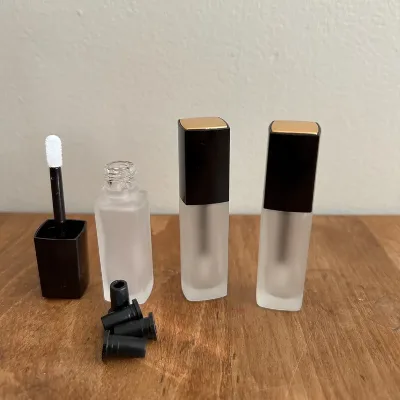
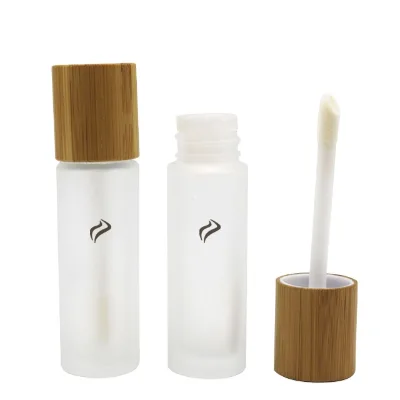
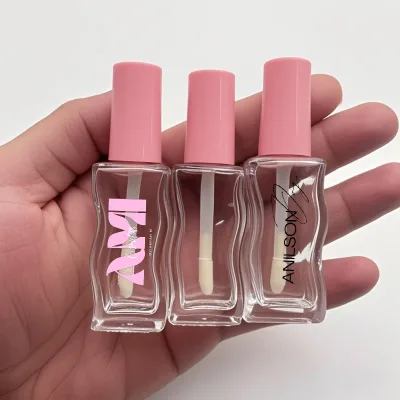


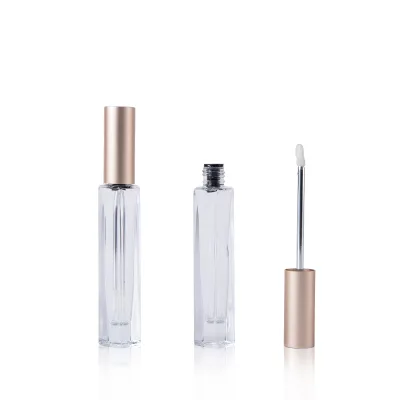


Comprehensive Sourcing Guide
Luxury Round Glass Lipgloss Bottle Sourcing Guide
Procuring luxury round glass lipgloss bottles requires distinguishing between general cosmetic containers and those specifically engineered for high-end branding. While the market offers various shapes, the round profile is preferred for its ergonomic feel and premium aesthetic appeal. Buyers must verify that the glass type matches the intended luxury positioning, as standard melt glass may lack the clarity or weight associated with premium packaging. The observed product data indicates a specific focus on round shapes, often paired with screen printing for branding, which is a critical visual differentiator in the luxury segment.
Sourcing decisions should also account for the specific sealing mechanisms available, such as pump sprayers or screw caps, which dictate the user experience. Although some listings mention reed diffusers, the core keyword focuses on lip gloss, necessitating a strict filter to exclude non-applicable sealing types. The volume range observed, spanning from 5 ml to 30 ml, allows for flexibility in product formulation, but the buyer must ensure the selected capacity aligns with the viscosity of the lip gloss. This alignment prevents leakage and ensures the bottle functions correctly with the chosen dispensing method.
Product Scope and Observed Listing Signals
The available inventory reveals a diverse range of materials and applications, requiring careful filtering to isolate true glass lip gloss containers. While some listings specify plastic materials or non-glass attributes, the target product must be constructed from glass to meet luxury standards. The observed data confirms the existence of round glass bottles with specific thicknesses, such as 0.3mm and 0.5cm, which influence durability and perceived value. Buyers should prioritize listings that explicitly state glass construction and exclude those marked as plastic or designed for industrial uses like medicine, which may not meet cosmetic safety standards.
Color and finish options are equally critical for defining the luxury character of the final product. The market data shows availability in black, white, pink, and transparent finishes, allowing for significant customization to match brand identity. Multi-colored options exist, but for a cohesive luxury line, single-color transparency or solid finishes are often preferred. The presence of screen printing capabilities on these glass surfaces enables high-quality logo application, a key feature for brand recognition. Buyers must verify that the specific color and printing method are compatible with the glass type to avoid adhesion issues or visual defects.
Technical Specifications to Verify
Dimensional accuracy is paramount when sourcing glass containers to ensure compatibility with filling machinery and consumer expectations. The observed specifications include precise dimensions, such as 18.2123.4mm for 9.5ml sizes and 16.3119mm for 3.5ml sizes, which serve as benchmarks for verification. Buyers must confirm that the bottle's neck diameter and overall height match their existing equipment or design requirements. The thickness of the glass, noted as either 0.3mm or 0.5cm in various listings, directly impacts the bottle's resistance to breakage and its tactile quality, which is a primary indicator of luxury.
Sealing mechanisms and volume consistency are other technical areas demanding rigorous verification. The data indicates a mix of pump sprayers and screw caps, each offering distinct advantages for different lip gloss formulations. A pump sprayer may be suitable for liquid glosses, while a screw cap might be preferred for stick or thicker formulations. Buyers must ensure the selected sealing type is compatible with the bottle's neck design and the product's viscosity. Additionally, the volume capacity, ranging from 5 ml to 30 ml, must be verified against the actual fill line to prevent underfilling or overfilling, which can lead to regulatory non-compliance.
Compliance and Safety Documentation
Regulatory compliance is non-negotiable for cosmetic packaging, particularly when dealing with products intended for direct contact with the lips. The observed certifications, including ISO and ISO 9001, indicate that some suppliers adhere to international quality management standards, which is a positive signal for safety and consistency. However, buyers must request specific documentation proving that the glass and any inks used in screen printing are food-grade or cosmetic-grade safe. Without explicit confirmation of material safety, the risk of chemical leaching or allergic reactions remains a significant liability for the brand.
Documentation regarding the origin and manufacturing process is also essential for maintaining supply chain transparency. The data points to origins in Zhejiang and Ningbo, China, regions known for manufacturing but requiring strict oversight to ensure quality. Buyers should verify that the supplier can provide traceability records for the raw glass materials and the sealing components. This includes confirming that the glass is free from lead and other heavy metals, which are common concerns in cosmetic packaging. Ensuring that all components meet the destination market's safety regulations is a prerequisite for successful market entry.
Cost Drivers and Commercial Terms
Pricing in the luxury glass sector is heavily influenced by material quality, customization complexity, and order volume. The observed price range of 0.04 to 1.8 USD suggests a wide variance based on these factors, with higher costs typically associated with thicker glass, complex screen printing, and specialized sealing mechanisms. Buyers must understand that the lowest price points may correspond to thinner glass or standard colors, which might not meet luxury expectations. Investing in higher-quality materials and precise printing often yields a better return through enhanced brand perception and reduced breakage rates during shipping.
Minimum Order Quantities (MOQ) and payment terms significantly impact the financial feasibility of sourcing these containers. The data shows MOQs ranging from 10 to 20,000 pieces, with some specific listings requiring 20,000 PCS, which can be a barrier for smaller brands. Buyers should negotiate MOQs based on their production schedule and storage capacity, potentially seeking suppliers who offer flexible terms for initial orders. Additionally, the packaging method, described as layer-packed in cartons or export standard packaging, affects shipping costs and must be factored into the total landed cost. Understanding these commercial terms is crucial for budgeting and maintaining healthy profit margins.
Supplier Qualification and Quality Control
Supplier qualification extends beyond basic certifications to include a deep understanding of their production capabilities and quality control protocols. The presence of OEM and ODM acceptance indicates that suppliers are willing to customize designs, but buyers must assess their capacity to maintain consistency across large batches. It is essential to verify that the supplier has a robust quality assurance process to detect defects such as air bubbles, uneven glass thickness, or misaligned printing. A supplier's ability to handle screen printing with precision is particularly important for maintaining the high visual standards required for luxury lip gloss packaging.
Logistics and packaging integrity are also critical components of supplier evaluation. The observed shipping methods, including ship, air, and courier, offer flexibility but require careful coordination to prevent damage during transit. Glass bottles are fragile, and the packaging must be designed to withstand the rigors of international shipping without compromising the product. Buyers should request samples of the packaging to ensure it provides adequate cushioning and protection. Furthermore, verifying the supplier's lead times and reliability in meeting delivery schedules is vital to avoid production delays and ensure a steady supply of packaging materials.
Long-Term Procurement Checks
Establishing a long-term partnership with a glass supplier requires regular performance reviews and continuous quality monitoring. Buyers should implement a system to track defect rates, delivery punctuality, and responsiveness to issues over time. Consistent quality is the foundation of a luxury brand, and any deviation in glass clarity, color, or sealing performance can damage brand reputation. Regular audits of the supplier's production line and quality control records help ensure that the standards set during the initial sourcing phase are maintained throughout the contract period.
Adaptability to market changes and supply chain disruptions is another key factor for long-term success. The global supply chain for glass and raw materials can be volatile, and suppliers must demonstrate resilience in the face of such challenges. Buyers should assess the supplier's ability to scale production up or down based on demand fluctuations and their contingency plans for material shortages. Maintaining open communication and fostering a collaborative relationship ensures that both parties can navigate potential obstacles effectively, securing a stable supply of high-quality lip gloss bottles for the future.
FAQs
What materials are used for luxury round glass lipgloss bottles?
Luxury round glass lipgloss bottles are primarily constructed from high-quality glass, often featuring a melt glass composition for durability and aesthetic appeal. Some variants may incorporate plastic components for the cap or pump mechanism, ensuring a secure seal. The glass body provides a premium feel, while the round shape offers a comfortable grip for daily application and handling.
Can these bottles be customized with specific branding or logos?
Yes, OEM and ODM services are accepted for these containers, allowing for extensive customization. Screen printing is a common handling method for applying logos or designs onto the glass surface. Buyers can specify colors such as black, white, pink, or multi-colored options to match their brand identity, ensuring the packaging aligns perfectly with their marketing strategy.
What volume capacities are available for these lip gloss containers?
These containers are available in multiple volume capacities to suit different product formulations. Common options include 5 ml, 10 ml, 15 ml, 20 ml, and 30 ml sizes. Some specific models may offer capacities like 11 ml or standard sizes such as 80 ml and 100 ml for larger applications, providing flexibility for various cosmetic needs.
Which certifications ensure the quality and safety of these glass bottles?
Manufacturers often provide ISO and ISO 9001 certifications to guarantee quality management and product safety standards. These certifications indicate that the production processes adhere to international benchmarks for consistency and reliability. Buyers can rely on these documented standards to ensure the packaging meets regulatory requirements for cosmetic products, particularly those intended for women's personal care and makeup applications.
How are these glass bottles packaged for international shipping?
The bottles are typically packed in export-standard packaging to ensure safety during transit. They are often layer-packed in cartons to prevent breakage and damage. Shipping methods include by ship, air, or courier, depending on the order size and urgency. This robust packaging approach helps maintain the integrity of the glass material and ensures the products arrive in perfect condition.
What sealing types are available for these lip gloss containers?
Various sealing types are available to ensure product freshness and prevent leakage. Options include screw caps for secure closure and pump sprayers for liquid applications. The choice of sealing mechanism depends on the specific product formulation, such as lip gloss or perfume. These sealing types are designed to provide a tight fit, preserving the quality and scent of the cosmetic contents.